


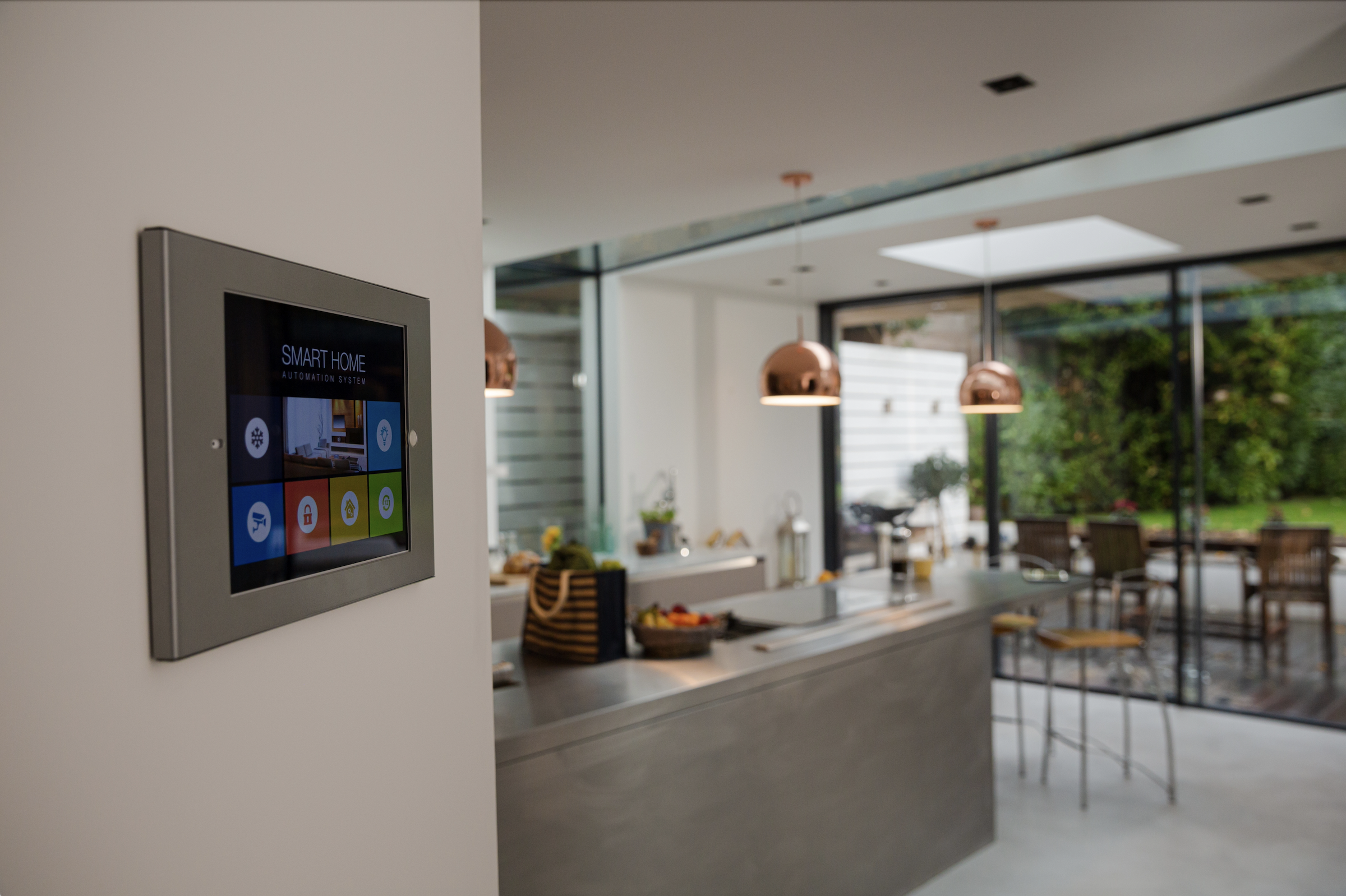
As the Texas summer heat finally gives way to fall, are you bracing for unpredictable temperatures and rising heating bills? For Dallas-Fort Worth homeowners, the autumn season brings its own unique set of challenges, from sudden cold snaps that send you scrambling for the thermostat to earlier sunsets that leave your home in the dark before you’ve even finished your commute. It’s a time for comfort and coziness, but also a time for smarter energy management.
Drawing on our experience helping DFW homeowners navigate the complexities of modern living, we've created this practical, step-by-step roadmap. We understand that "smart home" can sound intimidating, but it doesn't have to be. We'll show you how to make your home more efficient, comfortable, and secure this fall with approachable technology. This isn't about expensive, complex systems requiring professional installation. This is the definitive guide for any tech-curious homeowner to implement affordable, DIY-friendly energy saving smart home devices that make a real difference in your daily life and on your energy bills.
We may earn a small commission if you purchase through our recommended links, at no extra cost to you.
The "Why": Core Principles of a Smart Fall Season in DFW
Before diving into specific gadgets, it’s crucial to understand why these upgrades are so effective for a North Texas autumn. The principles are simple: efficiency, comfort, and security. By targeting these three areas, you can transform your home into a sanctuary perfectly adapted to the season.
Principle 1: Achieve Energy Efficiency & Conquer Volatile Bills
The defining feature of a DFW fall is its unpredictability. One day can feel like a mild summer afternoon at 80°F, while the next brings a brisk cold front that drops temperatures into the 50s. This volatility leads to inefficient energy use as your HVAC system constantly works to keep up. This is where energy saving smart home devices become your greatest ally. Smart thermostats and plugs give you precise control, preventing you from heating an empty house or running appliances unnecessarily. According to EnergyStar.gov, homeowners can save a significant amount on heating and cooling costs annually by properly using a smart thermostat, making it one of the most impactful upgrades for your wallet. Learning how to reduce heating costs with a smart home starts with automating your energy consumption to match your actual needs, not the weather's whims.
Principle 2: Enhance Comfort, Convenience, and Security for Shorter Days
As daylight saving time ends, the sun sets earlier, and we spend more time indoors. This seasonal shift impacts our sense of comfort and security. Arriving home to a dark house can feel unwelcoming and unsafe. This is where smart lighting for shorter days and simple security measures come into play. Imagine your porch light automatically turning on at sunset or interior lamps gently illuminating your living room as dusk settles. It’s a small change that makes a huge difference in creating a warm, inviting atmosphere. Furthermore, a well-lit property is a key deterrent for potential intruders, making smart home security for autumn an essential part of your fall-proofing plan.
Your Fall-Proofing Roadmap: A Step-by-Step Guide to Smart Upgrades
Ready to start? This roadmap guides you through a logical progression of upgrades, starting with the most impactful and moving to those that add layers of convenience and security. You don’t need to be a tech whiz to enjoy the benefits.
Step 1: The Foundation - Installing the Best Smart Thermostat for Fall
If you make only one smart upgrade this season, let it be this. A smart thermostat is the single most impactful device for a DFW home, and it’s the best smart thermostat for fall because of its ability to adapt. Unlike a traditional thermostat, "learning" models from brands like Google Nest or Ecobee analyze your habits and create custom heating schedules. They know when you’re home, away, or asleep, and adjust the temperature accordingly.
This is invaluable during those first unpredictable cold snaps. Instead of manually cranking the heat and potentially forgetting to turn it down, the thermostat does the work for you. Many DFW homeowners find that pairing smart thermostats with ceiling fans cuts utility costs through these unpredictable fall temps. By investing in an ENERGY STAR certified smart thermostat, you’re not just buying a gadget; you’re installing an automated system that shows you how to reduce heating costs with a smart home effortlessly.
Step 2: Automate Your Ambiance with Smart Lighting and Plugs
With your home’s climate under control, the next step is to tackle the shorter days. Smart lighting for shorter days is an easy and affordable way to boost both comfort and security. You can start with a few smart bulbs, like those from Philips Hue, in key areas like the entryway, living room, and kitchen.
Setting up a "dusk-to-dawn" scene is simple and requires no technical jargon. Using the bulb’s corresponding app, you can schedule your lights to turn on automatically at sunset and off at sunrise. You can even use voice controlled home assistants for fall routines by saying, “Hey Google, it’s getting dark,” to trigger your pre-set lighting scene. The U.S. Department of Energy notes that using lighting controls like timers and dimmers is a proven way to save energy.
As a bonus, consider smart plugs. These simple devices turn any "dumb" appliance into a smart one. They are perfect for controlling decorative lamps and are an excellent forward-looking solution for managing smart plugs for holiday lighting without having to crawl behind the tree to plug things in.
Real-World Scenarios: Smart Home Upgrades in Action
It's one thing to talk about technology, but it's another to see how it fits into real life. Here are two relatable scenarios for DFW homeowners.
For the Tech-Curious Senior: A Case Study in Automated Comfort
Meet Carol, a retiree in Plano who values her independence but wants a little extra convenience and peace of mind. For her, automated home upgrades for seniors aren’t about flashy tech; they’re about safety and simplicity. She started with a voice assistant and a few smart bulbs.
Now, her morning begins with a simple command: “Hey Google, good morning.” This single phrase triggers a fall routine: the thermostat adjusts to a comfortable 70 degrees, a lamp in the living room slowly brightens, and her favorite local news station begins to play. She no longer fumbles for light switches in the dark, a small change that significantly reduces her risk of a fall. As a trusted source, AARP’s tech guides often highlight how such simple automations can enhance daily life for older adults. By using smart lighting that has earned the ENERGY STAR, Carol also enjoys lower energy bills. Her voice controlled home assistants for fall routines have made her home feel safer and more responsive to her needs.
The DIY Weekend Project: Your First Jargon-Free Smart Home Setup
For many, the biggest hurdle is just getting started. Let’s tackle one of the easiest DIY smart home fall projects: setting up a smart plug to control a lamp.
-
Purchase a Smart Plug: Choose a reputable brand like Kasa, Wyze, or Meross. A single plug often costs less than $15.
-
Download the App: Scan the QR code on the box to download the manufacturer’s free app to your smartphone.
-
Plug It In: Plug the smart plug into a wall outlet, then plug your lamp into the smart plug. A small light on the plug will likely start blinking.
-
Connect to Wi-Fi: Open the app and follow the simple on-screen instructions. It will ask you to select the smart plug from a list of devices and enter your home’s Wi-Fi password.
-
Name and Schedule: Name your plug (e.g., "Living Room Lamp") and set a schedule. For fall, a great starting point is to have it turn on at 5:30 PM and off at 11:00 PM.
That’s it! In less than 10 minutes, you’ve automated a piece of your home, making it cozier and more energy-efficient.
Beyond the Basics: Smart Tech for Fall Home Maintenance
Smart technology can also be a proactive tool for seasonal upkeep. Fall home maintenance smart technology helps you anticipate and address issues before they become costly problems.
After a classic Texas fall storm, instead of climbing a ladder to inspect your gutters for leaf buildup, you can use a smart outdoor camera like one from Ring or Arlo to get a clear view from the safety of the ground. This enhances smart home security for autumn and simplifies a tedious chore. Furthermore, as the first freeze approaches, a smart water leak detector placed near vulnerable pipes in the attic or crawlspace can send an instant alert to your phone if it detects moisture or a sudden temperature drop, giving you precious time to prevent a burst pipe.
Conclusion
Creating a "fall-proofed" smart home in Dallas-Fort Worth is not about a futuristic, complicated overhaul. It’s about making a few strategic, DIY-friendly upgrades that deliver real, tangible benefits. By focusing on the three core pillars—significant cost savings on energy, enhanced comfort and convenience, and increased security and peace of mind—you can transform your living space into a haven perfectly suited for the season.
From a smart thermostat that outsmarts volatile Texas weather to automated lighting that welcomes you home on a dark evening, these technologies are accessible, affordable, and empowering. You don’t need a massive budget or a professional installer to get started. You just need a clear roadmap and the confidence to take that first simple step.
Ready to make your home smarter, cozier, and more efficient this fall? Explore our beginner-friendly guides and recommended smart home solutions today.
FAQ: Your Smart Home Questions Answered
What are the most effective energy-saving smart home devices for a Texas fall?
The most effective device is a smart thermostat. It directly addresses the fluctuating fall temperatures in Texas by learning your schedule and automatically adjusting the heat, preventing wasted energy. Smart plugs are a close second, as they can turn off energy-draining appliances and electronics when not in use.
How can smart home technology specifically help seniors feel more comfortable and secure?
For seniors, the benefits are centered on convenience and safety. Voice-controlled assistants and smart lighting create automated home upgrades for seniors that reduce the need to navigate a dark house, minimizing fall risks. Automated thermostats ensure a consistently comfortable temperature without manual adjustments, and smart doorbells allow them to see who is at the door without opening it.
Are smart home upgrades difficult for a beginner to install themselves?
Not at all. Most modern smart devices, like smart plugs, bulbs, and even many thermostats, are designed for easy DIY smart home fall projects. They typically involve plugging in the device, downloading a smartphone app, and following simple on-screen instructions to connect to your Wi-Fi. Most can be set up in under 15 minutes.
Besides thermostats and lights, what's one simple smart device that offers great value for fall?
A smart water leak detector. For a small investment, these sensors provide immense peace of mind. Placed near a water heater, washing machine, or under a sink, they can alert you to a leak before it causes major damage—especially valuable as temperatures drop and the risk of a burst pipe from a first freeze increases.